

 English
 русский
 عربى
عربى 中文简体
中文简体
Content
What Is Cold Rolled Coil
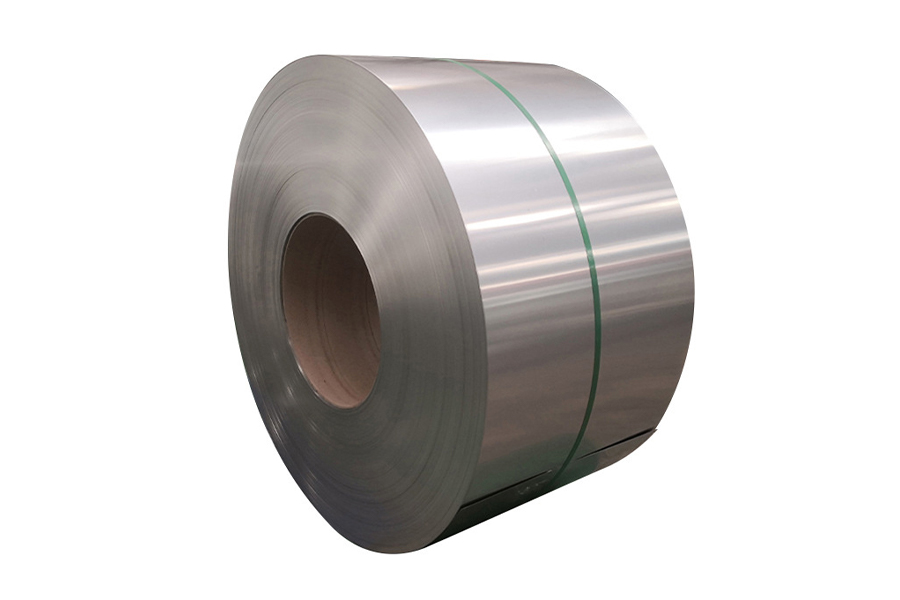
Cold rolled coil refers to steel that has been processed at or near room temperature after initially being hot rolled, resulting in a thinner, smoother, and more precisely dimensioned product than hot rolled steel alone. During cold rolling, the hot rolled coil is first cleaned through a process called pickling to remove surface scale, then passed through a series of rollers under high pressure without additional heating, which compresses the steel's grain structure and improves its surface finish.
This process gives cold rolled coil tighter tolerances, better surface quality, and improved mechanical properties compared to hot rolled steel, though it typically requires an annealing step afterward to restore ductility lost during the rolling process. The result is a versatile material widely used across automotive, appliance, and construction industries where precise thickness and a clean surface finish are essential.
How Cold Rolling Differs From Hot Rolling
Hot rolled steel is processed at high temperatures, which allows for faster production but results in a rougher surface and less precise dimensions as the steel cools and shrinks unevenly. Cold rolling, performed after the steel has cooled to room temperature, produces tighter dimensional control and a smoother, shinier surface, making it better suited to applications requiring exact specifications.
Common Grades and Specifications of Cold Rolled Coil
Cold rolled coil is produced in a range of grades and thicknesses to suit different structural and cosmetic requirements. Selecting the correct grade depends on the intended application, required strength, and desired surface finish.
| Grade Type | Typical Thickness Range | Common Applications |
| Commercial Quality (CQ) | 0.3mm - 3.0mm | General fabrication, brackets |
| Drawing Quality (DQ) | 0.3mm - 2.5mm | Moderate forming, panels |
| Deep Drawing Quality (DDQ) | 0.3mm - 2.0mm | Automotive body panels, deep stamping |
| High Strength Low Alloy (HSLA) | 0.5mm - 3.0mm | Structural components, chassis parts |
Choosing the Right Grade for Forming Requirements
Deep drawing quality grades are engineered specifically for applications that require extensive shaping without cracking, such as automotive fenders and appliance housings, while commercial quality grades are more economical and suited to simpler fabrication tasks that do not demand extreme formability.
Key Applications of Cold Rolled Coil
Cold rolled coil's smooth finish, dimensional precision, and improved mechanical properties make it a preferred material across numerous industries that require consistent quality and appearance.
- Automotive manufacturing: Cold rolled coil is extensively used for body panels, doors, and structural components due to its formability and clean surface finish.
- Home appliances: Refrigerators, washing machines, and ovens rely on cold rolled steel for its smooth, paintable surface and consistent thickness.
- Furniture manufacturing: Metal furniture frames and cabinets often use cold rolled coil for its precise dimensions and ease of fabrication.
- Construction: Cold rolled steel is used in interior structural elements, ductwork, and metal framing where surface quality matters for finishing.
- Electrical equipment: Enclosures and housings for electrical panels frequently use cold rolled coil for its clean finish and dimensional accuracy.
Surface Finishes and Coatings
Cold rolled coil is available in several surface finish options, each suited to different downstream processing needs. A bright finish offers a highly reflective surface ideal for visible components, while a matte or dull finish is often preferred as a base for painting or additional coating, since it provides better adhesion for subsequent layers.
Some cold rolled coil is further processed with coatings such as oil to prevent surface rusting during storage and transport, particularly important given that uncoated cold rolled steel is more susceptible to oxidation than its galvanized counterparts. Buyers requiring long-term outdoor exposure should consider galvanized or coated alternatives rather than bare cold rolled coil.
Storage Considerations to Prevent Rust
Because cold rolled coil lacks the protective zinc layer found in galvanized steel, proper storage in a dry, climate-controlled environment is essential to prevent surface rust from developing before the material is processed or coated further.
Tips for Buying Cold Rolled Coil
When sourcing cold rolled coil, confirming the exact grade, thickness tolerance, and surface finish required for the intended application helps avoid costly mismatches during fabrication. Requesting a mill test certificate from the supplier provides verified data on chemical composition and mechanical properties, which is particularly important for structural or automotive applications with strict quality requirements.
Buyers should also factor in coil weight and inner diameter specifications to ensure compatibility with their processing equipment, since mismatched coil dimensions can cause delays or handling issues on the production line. Working with an established supplier that provides consistent quality control and traceability documentation helps ensure the cold rolled coil meets both dimensional and performance expectations for the intended project.