

 English
 русский
 عربى
عربى 中文简体
中文简体
Content
- 1 What Is Cold Rolled Coil and Why Is It Widely Used?
- 2 How Is Cold Rolled Coil Manufactured?
- 3 What Are the Main Advantages of Cold Rolled Coil?
- 4 What Are the Common Grades of Cold Rolled Coil?
- 5 How to Choose the Right Thickness and Width?
- 6 Where Is Cold Rolled Coil Commonly Used?
- 7 What Surface Finishes Are Available?
- 8 How to Evaluate Quality Before Purchase?
- 9 Conclusion
What Is Cold Rolled Coil and Why Is It Widely Used?
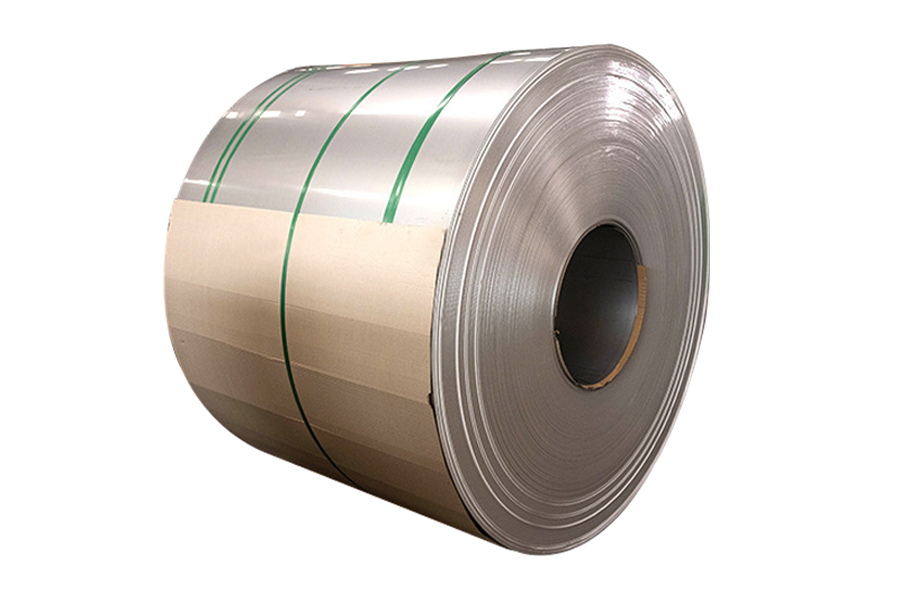
Cold rolled coil is a high-precision steel product manufactured by further processing hot rolled steel through rolling at room temperature. This additional rolling process significantly improves dimensional accuracy, surface finish, mechanical strength, and overall material consistency. Because of these advantages, cold rolled coil is widely used in automotive manufacturing, household appliances, construction components, furniture production, industrial equipment, and precision metal fabrication.
Compared with hot rolled steel, cold rolled coil offers a smoother surface, tighter thickness tolerance, and better flatness. These characteristics make it particularly suitable for applications that require high-quality appearance and exact forming performance.
For manufacturers, wholesalers, and engineering buyers, understanding cold rolled coil specifications is essential for selecting the right material and optimizing production efficiency.
How Is Cold Rolled Coil Manufactured?
The production process starts with hot rolled coil as the base material. After pickling removes the oxide scale, the steel strip passes through cold rolling mills at ambient temperature. During this process, the material thickness is reduced while strength and hardness increase through work hardening.
Depending on the final application, the coil may then undergo annealing, temper rolling, slitting, and surface finishing treatments.
- Pickling and scale removal
- Room-temperature rolling
- Thickness reduction
- Annealing and surface treatment
What Are the Main Advantages of Cold Rolled Coil?
Excellent Surface Finish
One of the biggest advantages is its smooth, clean, and uniform surface, which is highly suitable for painting, coating, and visible product surfaces.
High Dimensional Accuracy
Cold rolled coil offers tighter thickness tolerance and improved flatness compared with hot rolled products.
Improved Mechanical Strength
The cold rolling process increases tensile strength and hardness, making the material suitable for structural and formed components.
Better Formability
After annealing, cold rolled coil offers excellent bending and stamping performance for precision manufacturing.
What Are the Common Grades of Cold Rolled Coil?
Different applications require different steel grades depending on strength and forming needs.
| Grade | Main Feature | Application |
| SPCC | General commercial quality | Appliances and panels |
| SPCD | Drawing quality | Deep stamping parts |
| SPCE | Extra deep drawing | Automotive components |
How to Choose the Right Thickness and Width?
Thickness and width selection directly impact processing performance and cost efficiency.
Thickness Range
Common thicknesses range from 0.2 mm to 3.0 mm, depending on application requirements.
Width Selection
Standard widths often include 600 mm, 1000 mm, 1250 mm, and custom slitting widths.
Where Is Cold Rolled Coil Commonly Used?
Cold rolled coil is widely used across multiple industries because of its excellent balance of strength, finish, and formability.
- Automotive body panels
- Refrigerators and washing machines
- Steel office furniture
- Precision stamped parts
- Ceiling and wall systems
What Surface Finishes Are Available?
Bright Finish
Used for decorative and visible metal surfaces.
Matte Finish
Often preferred for industrial applications and coating processes.
Oiled Surface
Protective oil layer helps prevent corrosion during storage and transportation.
How to Evaluate Quality Before Purchase?
Buyers should carefully check technical certificates and product inspection reports.
- Thickness tolerance report
- Mechanical property test
- Surface defect inspection
- Coil weight and inner diameter
Conclusion
Cold rolled coil is a high-value steel product widely used in precision manufacturing and industrial applications. By understanding grades, thickness options, surface finishes, and technical requirements, buyers can select the most suitable material for long-term performance and cost-effective production. Its combination of strength, precision, and surface quality makes it an essential material in modern manufacturing industries.