

 English
 русский
 عربى
عربى 中文简体
中文简体
Content
What Are Stainless Steel Coils
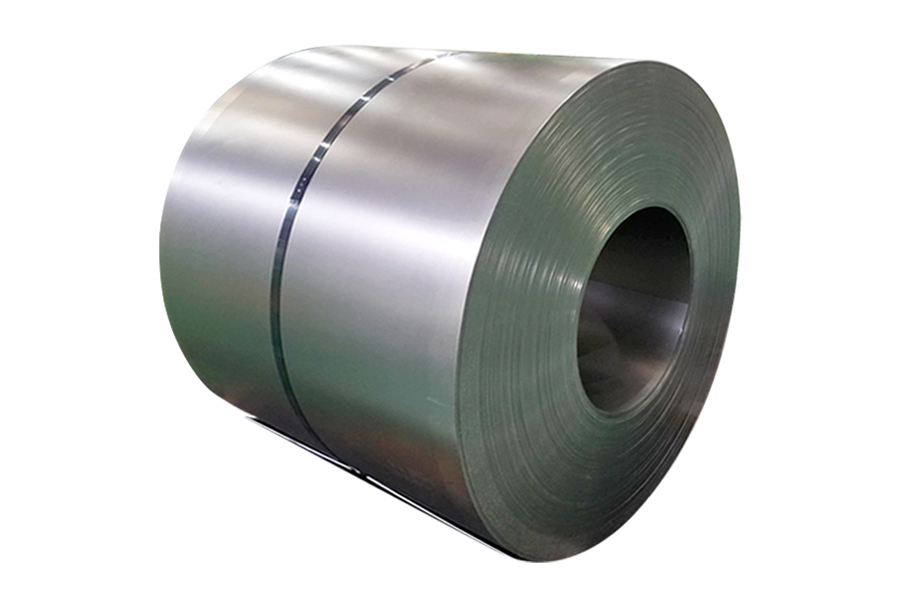
Stainless steel coils are long, continuous sheets of stainless steel that have been rolled into a coil form for ease of storage, transport, and processing. They are produced by passing steel through a series of rollers that reduce thickness and shape the metal into a flat, uniform strip, which is then wound onto a spool. This coiled format allows manufacturers to handle large quantities of material efficiently, feeding it directly into cutting, stamping, or forming equipment without needing to manage individual sheets.
Because stainless steel contains a minimum of 10.5 percent chromium, it forms a thin, self-repairing oxide layer on its surface that resists corrosion, staining, and rust. This property makes stainless steel coils especially valuable in industries where durability, hygiene, and long-term performance are essential, ranging from construction and automotive manufacturing to food processing and medical equipment production.
How Stainless Steel Coils Are Manufactured
The production of stainless steel coils typically begins with hot rolling, in which steel slabs are heated to high temperatures and passed through rollers to reduce their thickness into a manageable strip. This hot-rolled coil can be used as-is for applications that do not require a refined surface finish, or it can undergo further processing through cold rolling, where the material is rolled at room temperature to achieve tighter dimensional tolerances and a smoother surface.
Main Stages of Coil Production
- Melting and casting: Raw materials are melted in an electric arc furnace and cast into slabs.
- Hot rolling: Slabs are reheated and rolled into thinner strips, then coiled for handling.
- Annealing and pickling: The coil is heat-treated to relieve stress and chemically treated to remove surface scale.
- Cold rolling: The coil is further reduced in thickness at room temperature for improved surface quality and precision.
- Finishing: Surface treatments such as polishing or brushing are applied depending on the required finish grade.
Each stage is carefully controlled to ensure the final coil meets specific thickness, width, and surface finish requirements demanded by the intended application.
Common Grades of Stainless Steel Coils
Different applications call for different stainless steel grades, each offering a distinct balance of corrosion resistance, strength, and cost. Selecting the correct grade is critical, as using an unsuitable grade can lead to premature corrosion or structural failure in demanding environments.
| Grade | Key Properties | Typical Application |
| 304 | Good corrosion resistance, formable | Kitchen equipment, appliances |
| 316 | Higher resistance to chlorides | Marine equipment, chemical tanks |
| 430 | Magnetic, moderate corrosion resistance | Automotive trim, appliances |
| 201 | Lower nickel content, cost-effective | Furniture, decorative panels |
| 410 | High strength, heat treatable | Cutlery, valves, turbine blades |
Surface Finishes and Their Applications
Stainless steel coils are available in a variety of surface finishes, each suited to different aesthetic and functional needs. A 2B finish, which is smooth with a moderate reflectivity, is one of the most commonly used finishes for general fabrication because it offers a good balance between appearance and formability. A No. 4 brushed finish provides a satin-like texture that is popular in architectural and food service applications due to its ability to hide minor scratches while maintaining a clean appearance.
Mirror finishes, sometimes labeled as No. 8, offer a highly reflective surface used primarily in decorative applications such as elevator panels and signage. Buyers should select a finish based not only on appearance but also on how the coil will be processed downstream, as certain finishes are more prone to showing marks during cutting, welding, or forming.
Key Applications of Stainless Steel Coils
Stainless steel coils serve as the raw material for an enormous range of finished products across multiple industries. In construction, they are used to manufacture roofing panels, cladding, and structural components that require long-term resistance to weathering. In the automotive sector, coils are stamped into exhaust systems, trim components, and structural parts that must withstand heat and mechanical stress.
The food and beverage industry relies heavily on stainless steel coils to produce processing equipment, storage tanks, and countertops, since the material's non-porous surface resists bacterial growth and is easy to sanitize. Similarly, the medical industry uses stainless steel coils to manufacture surgical instruments and equipment housings, where hygiene and corrosion resistance are non-negotiable requirements.
Factors to Consider When Purchasing Stainless Steel Coils
Buyers evaluating stainless steel coils should consider several factors beyond price to ensure the material meets their project requirements. Thickness tolerance is critical for applications requiring precise dimensional accuracy, particularly in automated stamping or forming processes where inconsistent thickness can cause equipment jams or defective parts.
Important Purchasing Considerations
- Grade selection: Match the alloy composition to the environmental and mechanical demands of the application.
- Thickness and width: Confirm dimensional tolerances align with downstream processing equipment.
- Surface finish: Choose a finish that balances aesthetic requirements with processing needs.
- Certification: Request mill test certificates to verify chemical composition and mechanical properties.
- Supplier reliability: Work with suppliers who provide consistent quality and dependable delivery timelines.
Taking the time to verify these details before purchasing helps prevent costly production delays and ensures the final product performs as expected throughout its service life.