

 English
 русский
 عربى
عربى 中文简体
中文简体
Content
Introduction to Hastelloy Alloy
Hastelloy Alloy is a group of corrosion-resistant metal alloys primarily composed of nickel, with significant amounts of molybdenum, iron, and cobalt. It is renowned for its ability to withstand extremely harsh chemical environments, including oxidizing and reducing conditions. This makes it a critical material in chemical processing, aerospace, and marine applications.
The name “Hastelloy Alloy” is a registered trademark, but it is commonly used to refer to a family of high-performance alloys designed to resist stress corrosion cracking, pitting, and oxidation. Understanding the manufacturing principles and applications of Hastelloy Alloy can help engineers and designers make informed material selections.
Chemical Composition and Alloy Variants
Common Alloy Grades
Hastelloy Alloy includes several alloys, such as C-22, C-276, B2, and G-30. Each variant has been optimized for specific chemical resistance and mechanical properties. C-22, for example, offers excellent resistance to oxidizing and reducing acids, whereas C-276 is widely used for its resistance to pitting and crevice corrosion in chloride-rich environments.
Elemental Composition
The base element of Hastelloy Alloy is nickel, which provides strength and corrosion resistance. Molybdenum enhances resistance to localized corrosion, particularly in chloride-containing solutions. Iron contributes to general corrosion resistance and mechanical stability, while cobalt improves high-temperature performance. Minor additions of tungsten, copper, or manganese may also be present depending on the alloy grade.
Manufacturing Principles
Melting and Casting
Hastelloy Alloy is produced through vacuum induction melting or vacuum arc remelting to ensure purity and uniform composition. The molten alloy is carefully cast into ingots or billets. Control of temperature and cooling rates is critical to prevent segregation of alloying elements, which can compromise corrosion resistance.
Forming and Fabrication
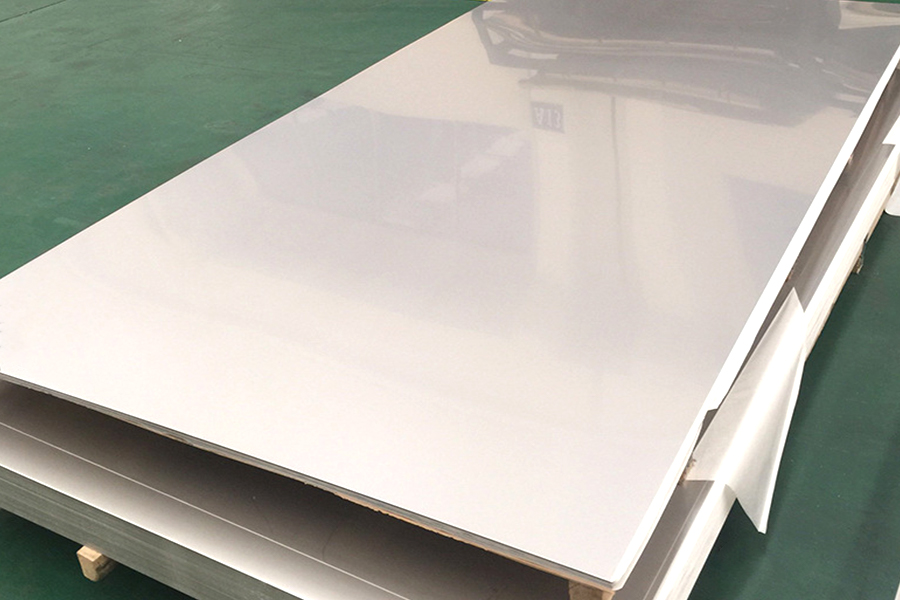
Once solidified, Hastelloy Alloy ingots can be hot-rolled, cold-rolled, or forged into sheets, plates, tubes, and bars. The fabrication process is precise to retain the alloy's microstructure. Welding is performed using specialized techniques to prevent sensitization and preserve corrosion resistance.
Heat Treatment
Heat treatment of Hastelloy Alloy involves solution annealing at high temperatures followed by rapid cooling. This process eliminates internal stresses and ensures the alloy achieves its full mechanical and chemical resistance properties. Proper heat treatment is essential for high-performance industrial applications.
Key Advantages of Hastelloy Alloy
Superior Corrosion Resistance
Hastelloy Alloy exhibits outstanding resistance to oxidizing agents like nitric acid and reducing agents like hydrochloric acid. It also withstands chlorides and strong alkaline solutions, which makes it suitable for aggressive chemical processing environments where other alloys would fail.
High Mechanical Strength
Even at elevated temperatures, Hastelloy Alloy maintains excellent tensile strength and ductility. This property allows it to be used in high-pressure applications, such as reactor vessels and piping systems, without significant risk of mechanical failure.
Long Service Life
Due to its corrosion resistance and mechanical stability, Hastelloy Alloy equipment often has a significantly longer operational lifespan compared to stainless steel or carbon steel. Reduced maintenance, less frequent replacements, and lower downtime provide economic benefits in industrial settings.
Applications Across Industries
Chemical Processing
Hastelloy Alloy is widely used for reactors, heat exchangers, and piping in chemical plants due to its resistance to acids, chlorides, and other aggressive chemicals. It is often employed in industries producing chlorine, sulfuric acid, and other hazardous compounds.
Marine and Offshore Equipment
The alloy's resistance to seawater corrosion makes it ideal for marine hardware, offshore oil rigs, and desalination systems. Hastelloy Alloy components help prevent pitting, crevice corrosion, and stress corrosion cracking in saltwater environments.
Aerospace and High-Temperature Applications
Hastelloy Alloy is used in turbine engines, exhaust systems, and other high-temperature components due to its stability under thermal stress. Its combination of strength, oxidation resistance, and corrosion resistance makes it a preferred choice for extreme environments.
Comparison with Other Alloys
| Property | Stainless Steel | Titanium | Hastelloy Alloy |
| Corrosion Resistance | Moderate | High | Very High |
| Temperature Stability | Up to 870°C | Up to 600°C | Up to 1000°C |
| Mechanical Strength | High | Moderate | Very High |
| Typical Applications | Food & beverage, general engineering | Aerospace, medical implants | Chemical, marine, high-temp industrial |
Maintenance and Handling
Cleaning Procedures
Hastelloy Alloy equipment requires careful cleaning to avoid surface contamination. Non-abrasive cleaning agents are recommended, and high-pressure scrubbing should be avoided to maintain corrosion resistance.
Inspection and Lifespan
Routine inspections for pitting, cracking, or weld integrity are essential. When properly maintained, Hastelloy Alloy equipment can last decades, outperforming many conventional alloys in corrosive and high-temperature environments.
Conclusion
Hastelloy Alloy’s unique combination of nickel-based composition, corrosion resistance, and mechanical strength makes it invaluable in demanding industrial applications. Its longevity, reliability, and adaptability to harsh chemical and thermal environments explain its widespread use across chemical processing, marine, and aerospace sectors.
Choosing Hastelloy Alloy ensures reduced maintenance costs, extended operational lifespan, and improved safety in environments where standard alloys would fail. Understanding its composition, manufacturing principles, and practical applications helps engineers maximize performance and cost-effectiveness in industrial systems.