

 English
 русский
 عربى
عربى 中文简体
中文简体
Content
- 1 What Are Stainless Steel Coils and How Are They Made
- 2 Common Grades and Their Distinguishing Properties
- 3 Surface Finishes and Their Practical Uses
- 4 Key Applications Across Industries
- 5 How to Evaluate Coil Specifications Before Purchasing
- 6 Storage and Handling Best Practices
- 7 Cost Factors and Market Considerations
- 8 Choosing a Reliable Supplier
What Are Stainless Steel Coils and How Are They Made
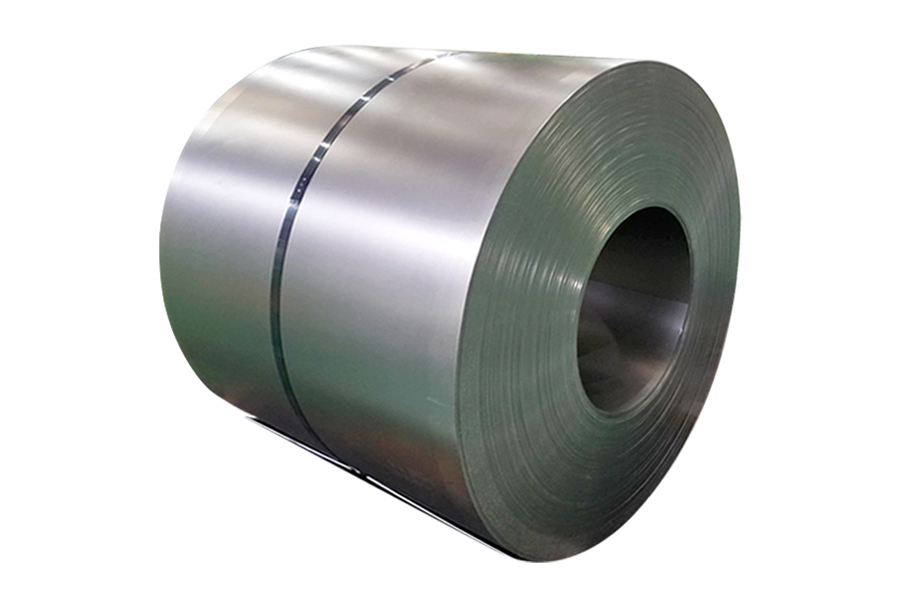
Stainless steel coils are long, continuous rolls of flat-rolled stainless steel produced by passing steel slabs through a series of rolling mills until the desired thickness is achieved. After hot rolling, the steel is often further processed through cold rolling to produce thinner gauges with tighter tolerances and a smoother surface finish. The coil form allows manufacturers to store, transport, and process large volumes of steel efficiently, since a single coil can weigh several tons and contain hundreds of meters of material wound into a compact roll.
The production process begins with melting raw materials, including iron, chromium, and nickel, in an electric arc furnace. The molten steel is cast into slabs, which are then reheated and rolled at high temperatures to reduce thickness and form the initial hot-rolled coil. Depending on the intended application, the coil may undergo annealing, pickling, and cold rolling to refine its mechanical properties and surface appearance before final slitting or cutting to customer specifications.
Common Grades and Their Distinguishing Properties
Stainless steel coils are produced in multiple grades, each formulated with a different combination of alloying elements to achieve specific performance characteristics. Selecting the correct grade is one of the most important decisions in any sourcing or fabrication project.
Austenitic Grades (300 Series)
Grades such as 304 and 316 are the most widely used in industry due to their excellent corrosion resistance, formability, and weldability. Grade 316 contains added molybdenum, which improves resistance to chloride-induced pitting, making it a preferred choice for marine and chemical processing environments.
Ferritic Grades (400 Series)
Ferritic grades like 430 offer moderate corrosion resistance at a lower cost than austenitic types. They contain little or no nickel, which reduces price volatility, and are commonly used in automotive trim, appliances, and indoor architectural applications.
Duplex Grades
Duplex stainless steels combine austenitic and ferritic microstructures, delivering higher strength and superior resistance to stress corrosion cracking. These grades are often selected for demanding applications in oil and gas, desalination, and heavy chemical processing.
Surface Finishes and Their Practical Uses
The surface finish of a stainless steel coil affects both its appearance and its suitability for specific applications. The table below summarizes common finishes and where they are typically applied.
| Finish | Surface Description | Typical Application |
| 2B | Smooth, dull, reflective | General fabrication, kitchen equipment |
| BA (Bright Annealed) | Highly reflective, mirror-like | Appliances, decorative panels |
| No. 4 | Brushed, uniform grain | Architecture, elevators, countertops |
| Hairline (HL) | Fine, continuous parallel lines | Interior design, signage |
Key Applications Across Industries
Stainless steel coils serve as the raw material for an enormous range of downstream products. Their versatility comes from the ability to be slit, cut, formed, and welded into components for nearly every major manufacturing sector.
- Construction and architecture, including roofing, cladding, handrails, and structural framing.
- Food and beverage processing equipment, where corrosion resistance and hygiene are critical.
- Automotive components such as exhaust systems, trim, and structural reinforcements.
- Chemical and petrochemical processing tanks, pipelines, and heat exchangers.
- Household appliances, including refrigerators, washing machines, and kitchen sinks.
How to Evaluate Coil Specifications Before Purchasing
Buyers sourcing stainless steel coils should review several technical specifications to ensure the material meets project requirements. Overlooking these details can lead to compatibility issues during fabrication or performance failures in service.
- Confirm the grade matches the corrosion and temperature requirements of the end-use environment.
- Verify thickness tolerance, since even small deviations can affect fit and structural performance in precision applications.
- Check coil width and inner diameter compatibility with your processing or slitting equipment.
- Request mill test certificates to confirm chemical composition and mechanical properties meet the required standard.
- Inspect surface finish samples to ensure they match aesthetic or functional expectations before full production.
Storage and Handling Best Practices
Proper storage and handling protect the surface quality and structural integrity of stainless steel coils, particularly for finishes like BA or No. 4 that are sensitive to scratching and contamination.
- Store coils in a dry, covered area to prevent moisture buildup that can lead to surface staining or rust bloom.
- Avoid direct contact with carbon steel tools or surfaces, which can cause iron contamination and localized corrosion.
- Use padded slings or coil cradles during lifting to prevent edge damage and surface deformation.
- Keep protective film or paper interleaving intact until the coil reaches the final processing stage.
Cost Factors and Market Considerations
The price of stainless steel coils fluctuates based on several interconnected factors, including nickel and chromium market prices, energy costs, and global supply and demand dynamics. Grades with higher nickel content, such as 316, generally carry a price premium over nickel-free ferritic grades. Buyers can manage cost exposure by working with suppliers who offer price locking, forward contracts, or by considering alternative grades that meet performance requirements at a lower alloy cost. Additionally, ordering in standard coil widths and weights, rather than custom specifications, can reduce processing fees and lead times.
Choosing a Reliable Supplier
Working with an experienced and quality-focused supplier reduces the risk of receiving material that fails to meet specification. Reputable suppliers typically maintain certifications such as ISO 9001, provide full traceability through mill certificates, and offer consistent coil packaging to prevent transit damage. It is also worth confirming a supplier's capacity for slitting, cutting, and custom processing, since this can streamline the supply chain and reduce the number of vendors involved in a single project. Requesting sample coils and reviewing past project references are practical steps that help buyers verify quality before committing to large-volume orders.