

 English
 русский
 عربى
عربى 中文简体
中文简体
Content
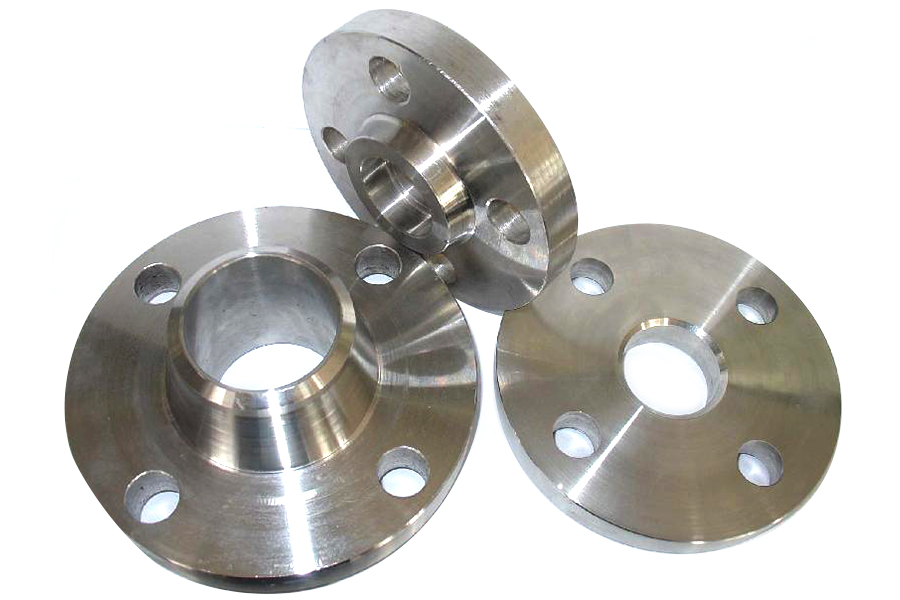
304 stainless steel flanges are essential components in piping systems, offering corrosion resistance, high durability, and ease of installation. Made from austenitic stainless steel, 304 flanges are widely used in industries requiring strength, hygiene, and reliability, such as chemical processing, food and beverage, oil and gas, and water treatment. Understanding their applications and proper maintenance ensures optimal performance and longevity.
Material Properties and Benefits
304 stainless steel is known for its excellent corrosion resistance, strength, and formability. Its composition typically includes 18% chromium and 8% nickel, which enhances oxidation resistance and maintains structural integrity under high temperatures. Flanges made from 304 stainless steel are resistant to rust, pitting, and chemical attack, making them ideal for demanding industrial environments.
Additional benefits include easy fabrication, weldability, and resistance to scaling at elevated temperatures. These features make 304 stainless steel flanges highly versatile, reliable, and suitable for both indoor and outdoor piping applications.
Common Applications of 304 Stainless Steel Flanges
304 stainless steel flanges are used across multiple industries and applications due to their durability and resistance to corrosion. The most common uses include:
- Chemical processing plants for handling corrosive liquids and gases
- Food and beverage industry for hygienic piping connections
- Oil and gas pipelines, including both offshore and onshore facilities
- Water and wastewater treatment systems
- Pharmaceutical and biotechnology industries requiring sterile and corrosion-free connections
Types of 304 Stainless Steel Flanges
304 stainless steel flanges come in various types, each designed for specific applications and connection methods. The most common types include:
- Weld Neck Flanges: Designed for high-pressure systems, offering strong weld connections
- Slip-On Flanges: Easy to install, suitable for low-pressure applications
- Blind Flanges: Used to close pipe ends, enabling inspection or system expansion
- Threaded Flanges: Ideal for applications without welding, allowing easy assembly and disassembly
- Lap Joint Flanges: Paired with stub ends for easy maintenance and replacement in low-pressure systems
Installation Best Practices
Proper installation is critical to ensure the performance and longevity of 304 stainless steel flanges. Some key considerations include:
- Ensure flange alignment to prevent uneven stress and potential leakage
- Use the correct gasket material suitable for operating temperature and pressure
- Follow proper torque specifications for bolts to avoid over-tightening or under-tightening
- Clean flange surfaces and pipelines to remove debris, rust, or residues before assembly
Maintenance Tips for Longevity
Routine maintenance is essential to ensure the optimal performance of 304 stainless steel flanges. The following practices are recommended:
Regular Inspection
Check flanges periodically for signs of corrosion, leaks, or mechanical damage. Even though 304 stainless steel is corrosion-resistant, environmental factors such as chloride exposure can cause localized pitting. Inspections help detect issues before they escalate.
Cleaning Procedures
Keep flange surfaces clean using mild detergents or specialized stainless steel cleaners. Avoid abrasive tools that may scratch the surface and compromise corrosion resistance. Cleaning also helps prevent dirt buildup that could lead to uneven gasket compression or leaks.
Lubrication and Fastener Maintenance
Ensure bolts and fasteners are lubricated with suitable anti-seize compounds to prevent galling. Regularly check bolt torque to maintain proper sealing. Replace damaged or corroded fasteners immediately to prevent flange failure.
Environmental Considerations
Although 304 stainless steel is resistant to many corrosive environments, exposure to high salinity or aggressive chemicals should be minimized. Consider protective coatings or alternate stainless steel grades for extremely harsh conditions.
Troubleshooting Common Issues
Even with proper maintenance, 304 stainless steel flanges may encounter issues such as leaks, corrosion spots, or mechanical stresses. Troubleshooting steps include:
- Inspect for gasket failure and replace if compressed or damaged
- Check flange alignment and adjust if misaligned
- Examine fasteners and retorque as necessary to ensure proper sealing
- Monitor environmental exposure and apply corrosion prevention measures
Conclusion
304 stainless steel flanges are versatile, durable, and reliable components widely used in piping systems across industries. Understanding their applications, installation practices, maintenance procedures, and troubleshooting techniques ensures optimal performance and extends service life. By adhering to proper care and operational standards, 304 stainless steel flanges can provide consistent, leak-free service in a variety of industrial and commercial applications.