

 English
 русский
 عربى
عربى 中文简体
中文简体
Content
- 1 Chemical Composition and Alloying Elements
- 2 Common Grades of Hastelloy Alloy Sheet
- 3 Mechanical and Physical Properties
- 4 Corrosion Resistance in Harsh Environments
- 5 Manufacturing and Processing of Hastelloy Sheets
- 6 Key Industrial Applications
- 7 How to Choose the Right Hastelloy Alloy Sheet
- 8 Quality Standards and Supply Considerations
- 9 Conclusion: Why Hastelloy Alloy Sheet Is a Long-Term Investment
Hastelloy alloy sheet is a high-performance nickel-based alloy product widely used in extreme industrial environments where conventional stainless steel or carbon steel fails. Known for its exceptional resistance to corrosion, oxidation, and high temperatures, Hastelloy sheet is commonly specified in chemical processing, aerospace, power generation, and oil and gas industries. Its ability to maintain mechanical strength under severe thermal and chemical stress makes it a preferred material for critical components that demand reliability and long service life.
Unlike standard metal sheets, Hastelloy alloy sheets are engineered to withstand aggressive acids, chlorides, and high-pressure conditions. The alloy composition can be tailored to specific performance requirements, making it a flexible solution for demanding applications where material failure would result in costly downtime or safety risks.
Chemical Composition and Alloying Elements
The superior performance of Hastelloy alloy sheet is largely attributed to its carefully balanced chemical composition. Nickel serves as the base element, providing excellent resistance to corrosion and thermal stability. Additional alloying elements such as chromium, molybdenum, iron, and tungsten further enhance specific properties like pitting resistance, strength, and oxidation resistance.
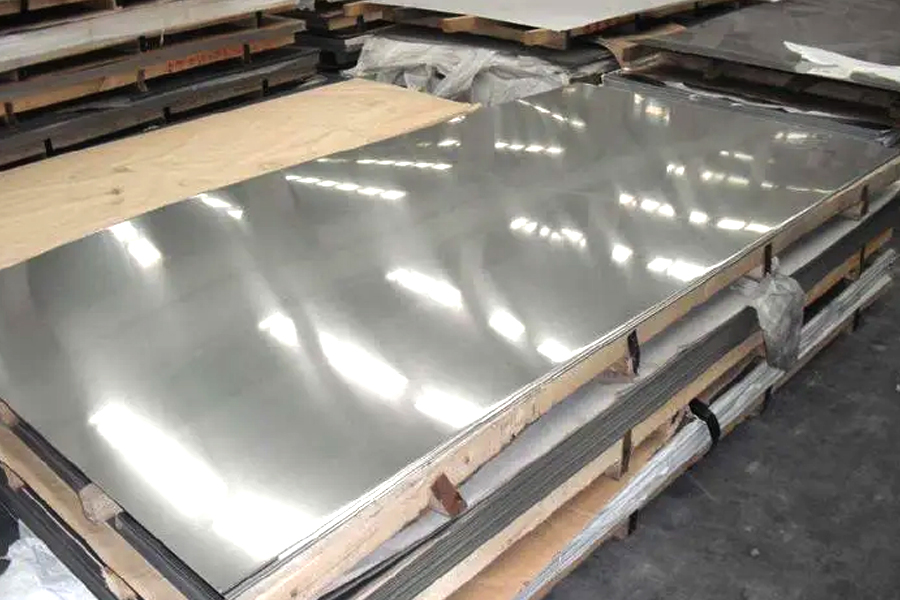
Role of Key Elements in Hastelloy Sheets
- Nickel improves overall corrosion resistance and ductility.
- Chromium enhances oxidation resistance at elevated temperatures.
- Molybdenum increases resistance to localized corrosion such as pitting and crevice attack.
- Tungsten improves strength and stability in high-temperature environments.
By adjusting the proportions of these elements, manufacturers produce various Hastelloy grades, each optimized for specific chemical or thermal challenges.
Common Grades of Hastelloy Alloy Sheet
Hastelloy alloy sheets are available in multiple grades, each designed to meet particular operational demands. Selecting the appropriate grade is essential for ensuring optimal performance and cost efficiency.
| Grade | Main Characteristics | Typical Applications |
| Hastelloy C-276 | Excellent resistance to pitting and stress corrosion | Chemical reactors, heat exchangers |
| Hastelloy C-22 | Superior resistance to oxidizing and reducing acids | Pollution control, pharmaceutical equipment |
| Hastelloy X | High-temperature strength and oxidation resistance | Gas turbines, aerospace components |
| Hastelloy B-3 | Outstanding resistance to hydrochloric acid | Chemical processing vessels |
Understanding grade differences allows engineers and buyers to choose a Hastelloy alloy sheet that matches both environmental conditions and mechanical requirements.
Mechanical and Physical Properties
Hastelloy alloy sheets exhibit a unique balance of strength, ductility, and toughness. They retain mechanical integrity at both cryogenic and elevated temperatures, which is critical for industries dealing with rapid temperature fluctuations.
Key physical properties include high tensile strength, excellent fatigue resistance, and low thermal expansion compared to other high-alloy metals. These characteristics contribute to dimensional stability and long-term reliability in complex assemblies.
Corrosion Resistance in Harsh Environments
One of the most significant advantages of Hastelloy alloy sheet is its resistance to a wide range of corrosive media. This includes strong acids, chlorides, wet chlorine gas, and mixed acid solutions that rapidly degrade standard alloys.
Hastelloy sheets resist common corrosion mechanisms such as pitting, crevice corrosion, stress corrosion cracking, and intergranular attack. This makes them especially valuable in continuous-process industries where equipment is exposed to corrosive chemicals over long periods.
Manufacturing and Processing of Hastelloy Sheets
Producing Hastelloy alloy sheet requires advanced metallurgical techniques. Hot rolling and cold rolling processes are carefully controlled to ensure uniform thickness, surface quality, and mechanical properties. Due to the alloy’s strength, machining and forming often require specialized tools and techniques.
Forming and Welding Considerations
Hastelloy alloy sheets can be formed using standard metalworking methods, but higher forming forces are typically required. Welding is feasible using appropriate filler metals and procedures to maintain corrosion resistance and structural integrity.
Key Industrial Applications
Hastelloy alloy sheets are widely used in applications where material failure is not an option. Their durability and resistance make them suitable for both static and dynamic components.
- Chemical processing equipment such as reactors and storage tanks
- Aerospace structures exposed to high heat and stress
- Oil and gas components operating in sour environments
- Power generation systems including nuclear and thermal plants
How to Choose the Right Hastelloy Alloy Sheet
Selecting the correct Hastelloy alloy sheet involves evaluating service temperature, chemical exposure, mechanical load, and fabrication requirements. Consulting material datasheets and industry standards helps ensure compatibility with operational conditions.
Cost considerations are also important, as Hastelloy sheets are premium materials. However, their long service life and reduced maintenance often result in lower total lifecycle costs compared to less durable alternatives.
Quality Standards and Supply Considerations
Hastelloy alloy sheets are typically produced in accordance with international standards such as ASTM and ASME specifications. Buyers should verify certifications, chemical composition reports, and mechanical test results when sourcing material.
Reliable suppliers offer consistent quality, precise thickness control, and technical support to ensure the material meets project requirements.
Conclusion: Why Hastelloy Alloy Sheet Is a Long-Term Investment
Hastelloy alloy sheet stands out as a solution for industries facing extreme corrosion and temperature challenges. Its exceptional performance, versatility in grades, and proven reliability make it a strategic material choice for critical applications.
While the initial cost may be higher than conventional alloys, the extended service life, reduced maintenance, and enhanced safety make Hastelloy alloy sheet a valuable long-term investment for demanding industrial environments.